Penang beyond the plate
George Town is a UNESCO World Heritage Site, a nature island, and a living city. The food is just where you start.
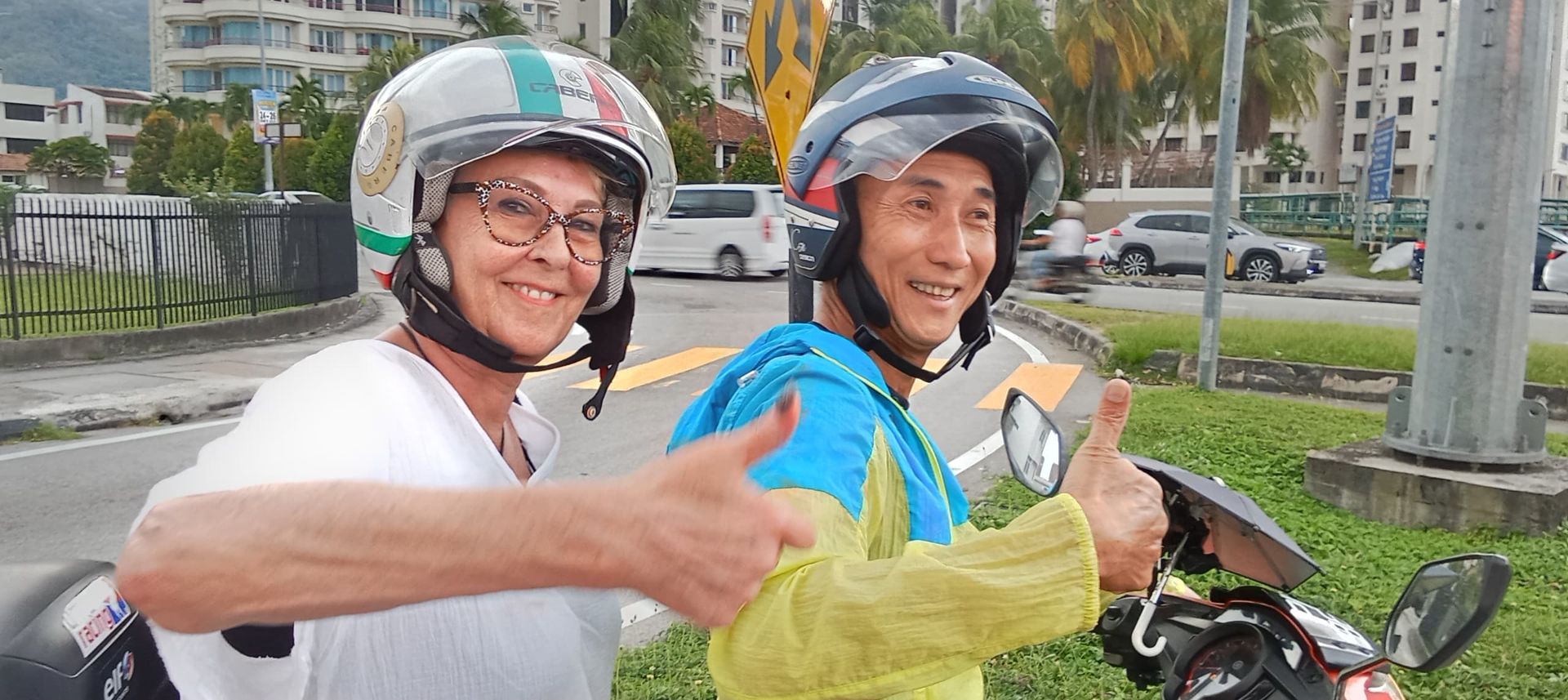
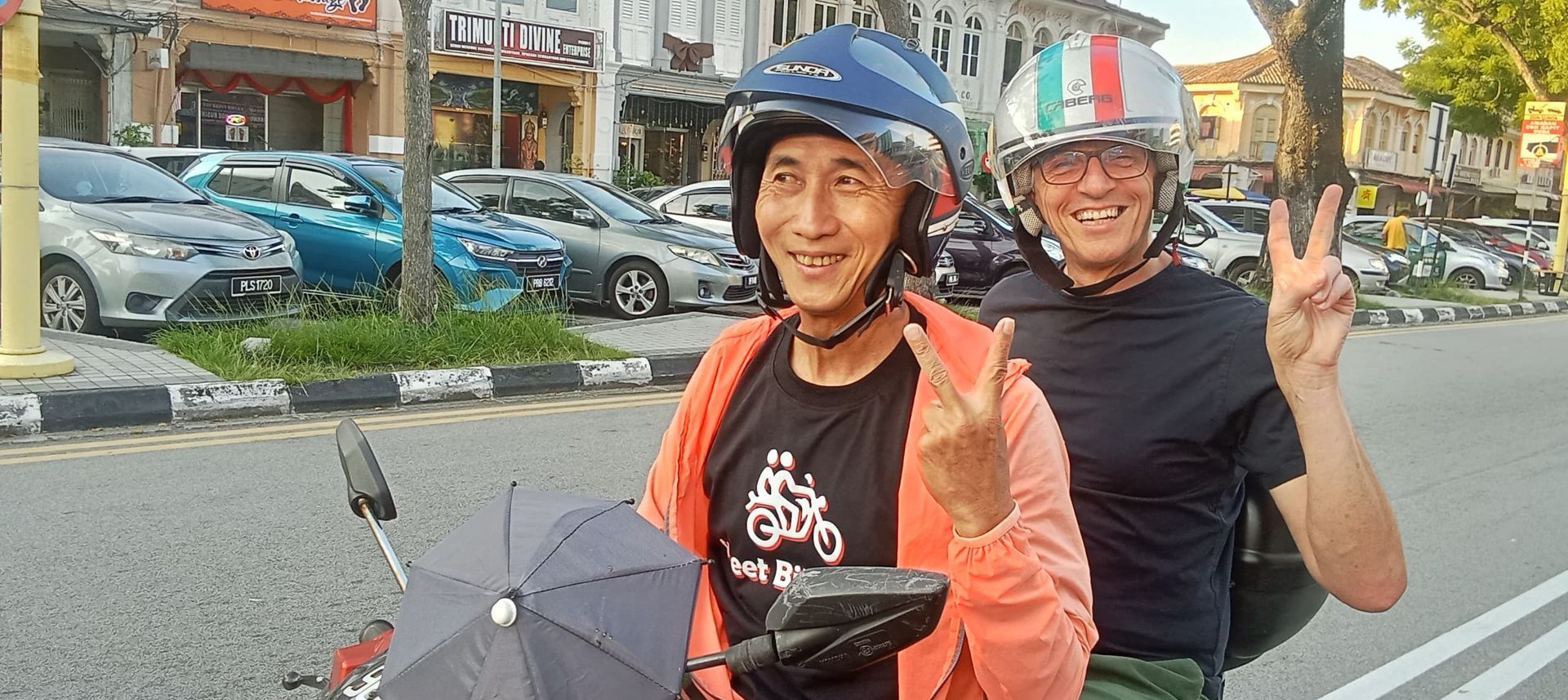
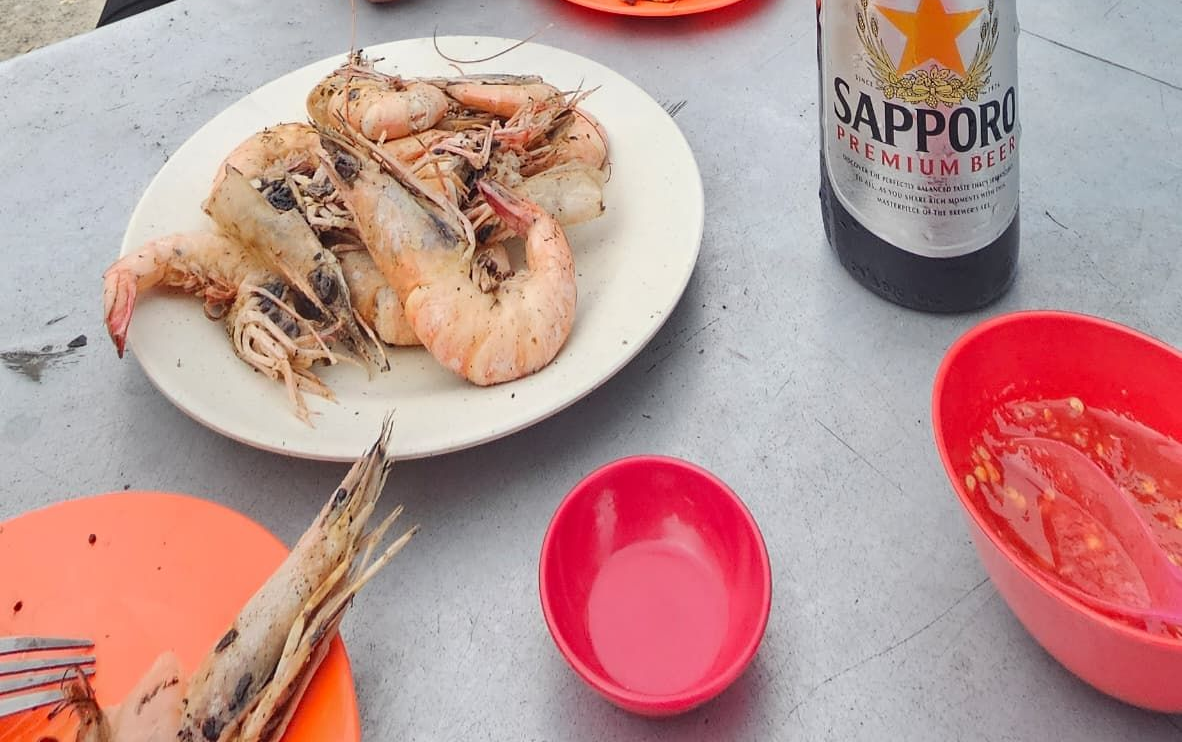
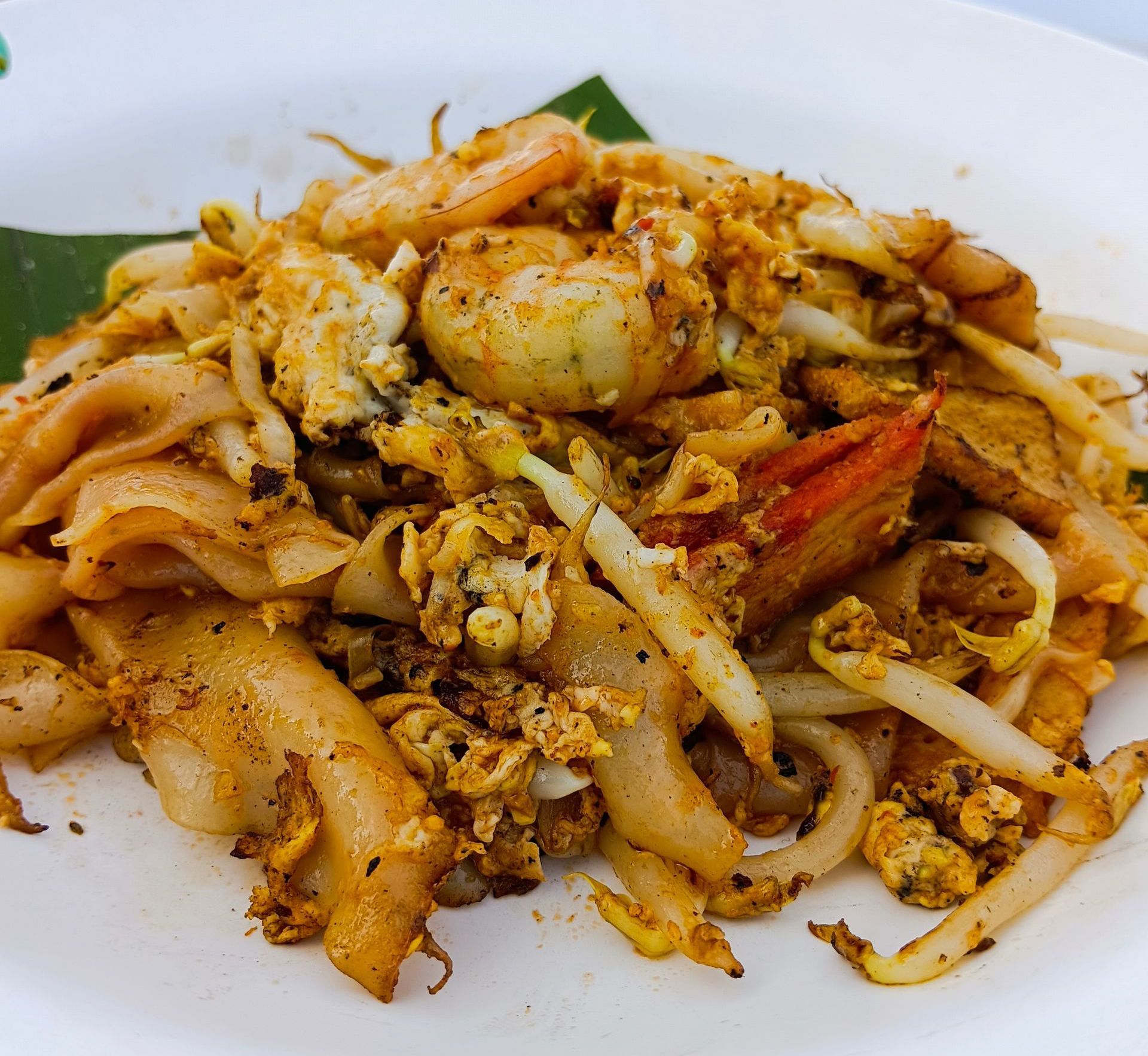
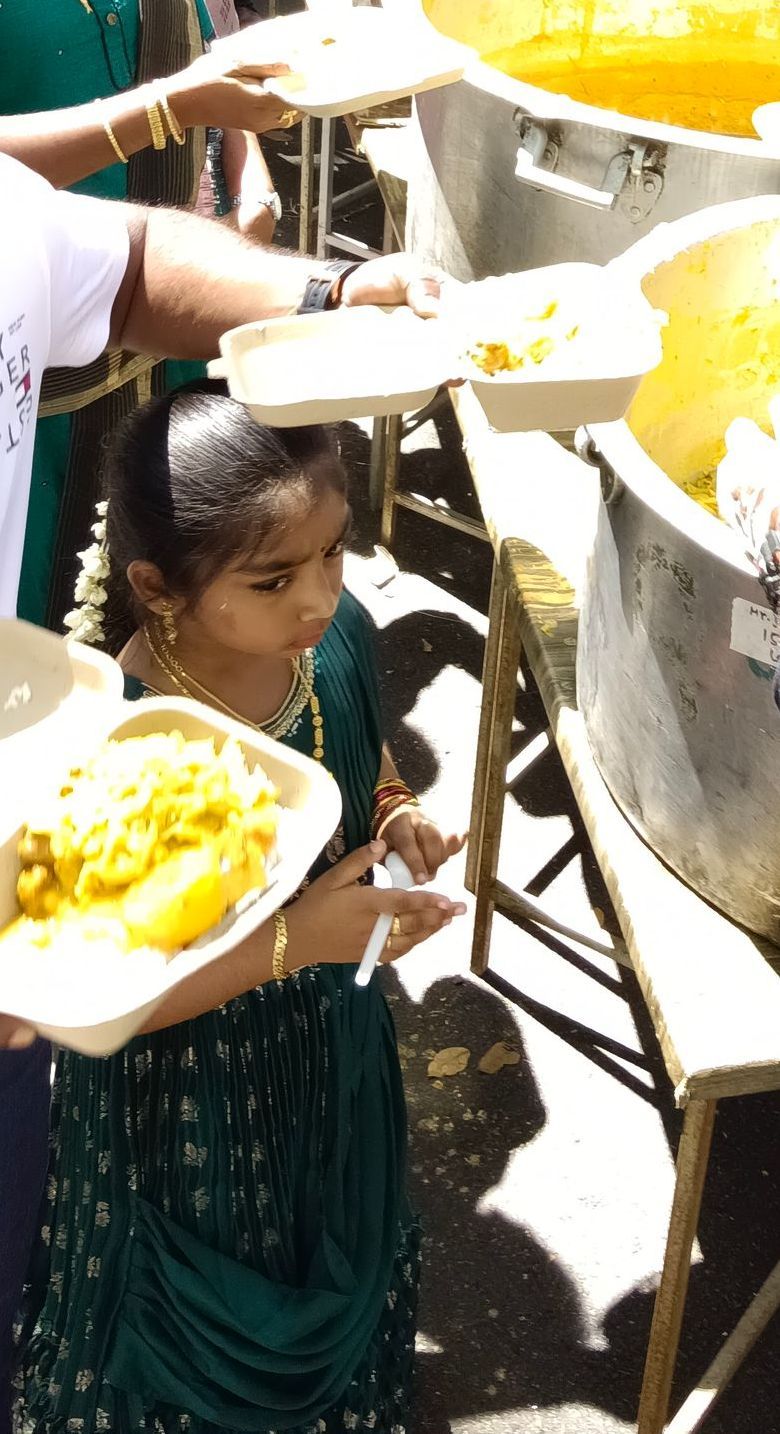
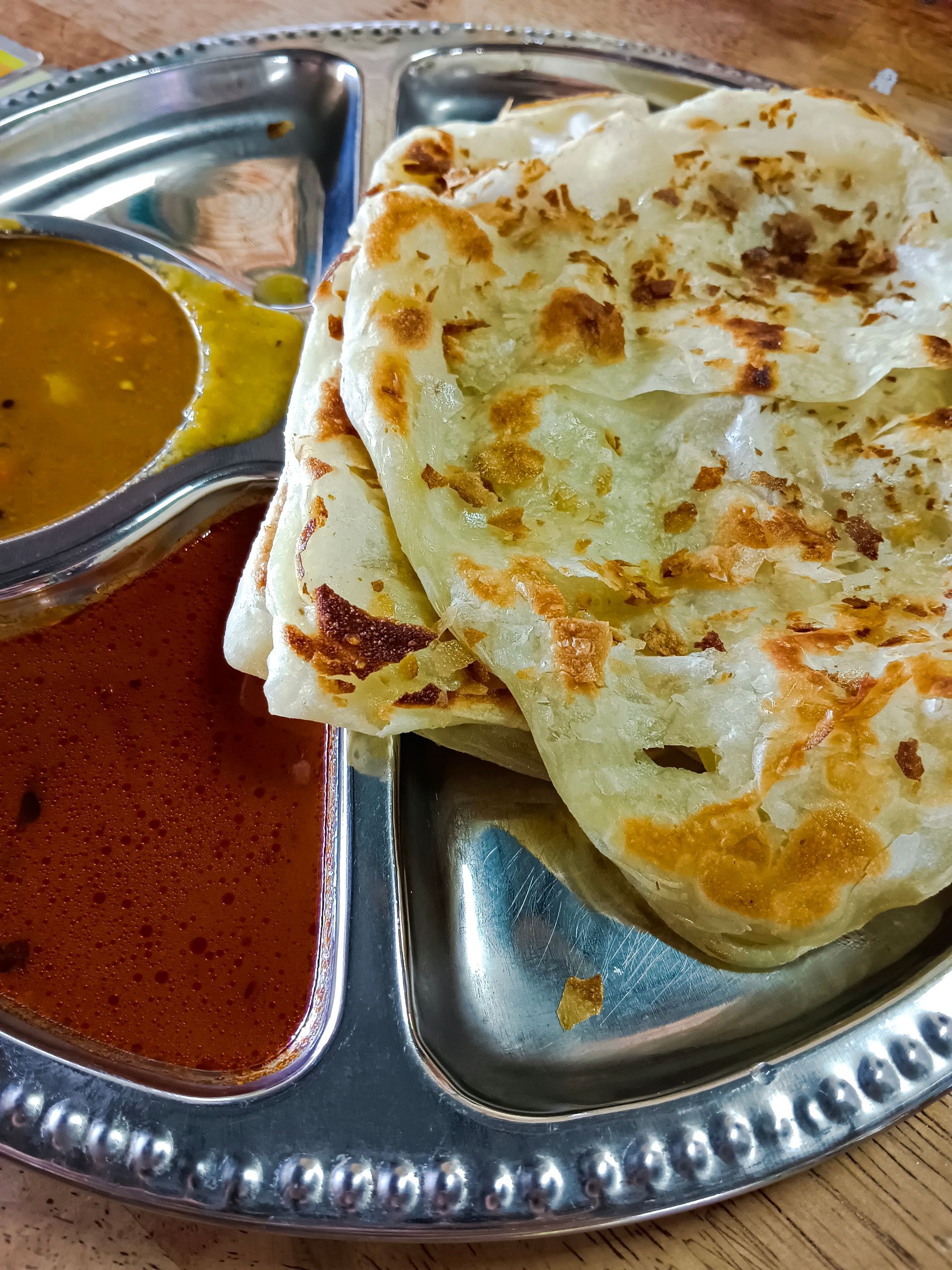
Most visitors come to Penang for the food. That's the right instinct. But Penang rewards as many days as you give it. People move here and spend years still finding new corners. The best way to structure any of your days here is to anchor it around eating — either start your morning with Street Bite Tours, or end your evening on the back of a bike. Four hours, five neighborhoods, five courses. Everything else fits around that.
George Town: UNESCO heritage, street art, and a city still in use
George Town's old city is a UNESCO World Heritage Site — one of the best-preserved concentrations of colonial-era shophouses in Southeast Asia, alongside active clan temples, mosques, Hindu shrines, and street art that started as a celebration of the listing and became a draw of its own. The city is small enough to walk, and the most interesting parts are in the spaces between the obvious landmarks: a calligrapher's workshop, a clan jetty, a temple that's been in continuous use for two centuries.
The most honest guide to all of it is Penang Insider, written by Marco Ferrarese — Italian living here for over 15 years, authored the Lonely Planet and Rough Guide Malaysia chapters, and consistently goes to places most tourists never reach.
Nature: Penang Hill, the National Park, and the quieter side of the island
Penang Hill rises to 833 metres above George Town. The funicular up is Asia's longest, and the top is noticeably cooler — good for a morning or late afternoon before the heat builds. The Habitat nature walk on the summit takes you into 130-million-year-old rainforest with views across the Straits of Malacca on clear days.
Penang National Park at Teluk Bahang, on the island's northwestern tip, is Malaysia's smallest national park but punches well above its size. It hugs the coastline with plenty of forest and beaches, including Monkey Beach and Turtle Beach, where marine turtles still come to lay eggs. A 1.5-hour jungle hike gets you to Turtle Beach; a boat gets you there faster.
The Tropical Spice Garden near Teluk Bahang is Southeast Asia's only award-winning spice garden — eight hectares of working jungle with over 500 plant and animal species, and a history that ties directly into Penang's colonial past as a trading hub.
For nature on Penang beyond the obvious spots — the quieter coastal stretches, the rural west side of the island, Gertak Sanggul — Malajzia Ezer Arca, Hungarien expat covers it with the kind of local detail that only comes from actually living here.
Practical planning
Penang is best navigated by Grab — public transport is limited and taxis unreliable. Most of what's worth seeing is concentrated in the north of the island. Plan at least two days to do it properly. On Penang has a well-structured self-guided by long term British expats intridoce you to George Town walking tour and practical itineraries for one and two-day visits — useful if you're arriving without a plan.
The highlight
Build your day around the food. This is the must-do in the street food capital of Sout-East Asia. Book your your food experience: [Street Bite Tour →]